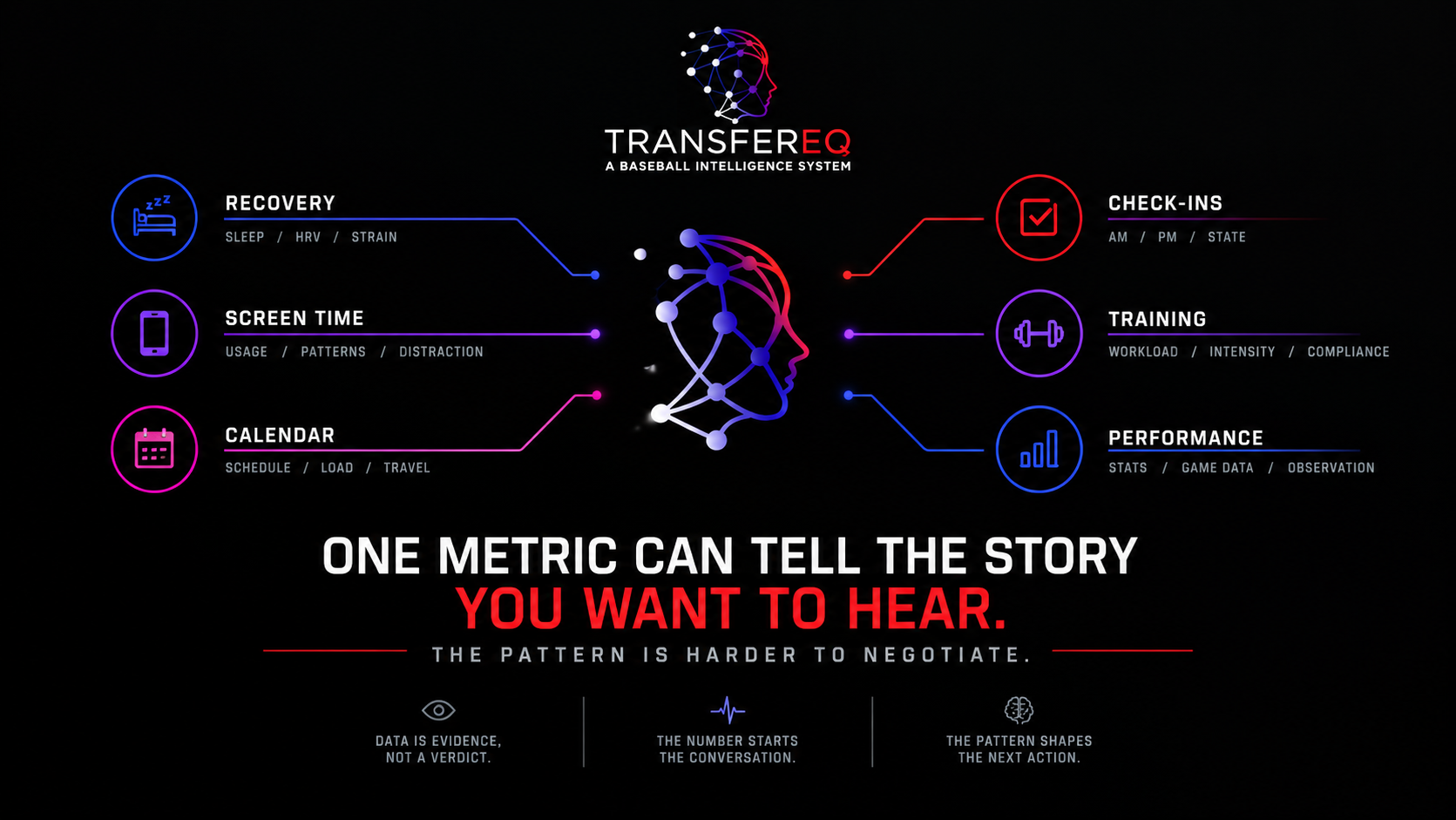
TRANSFER EQ
Measuring What Actually Holds Under Pressure
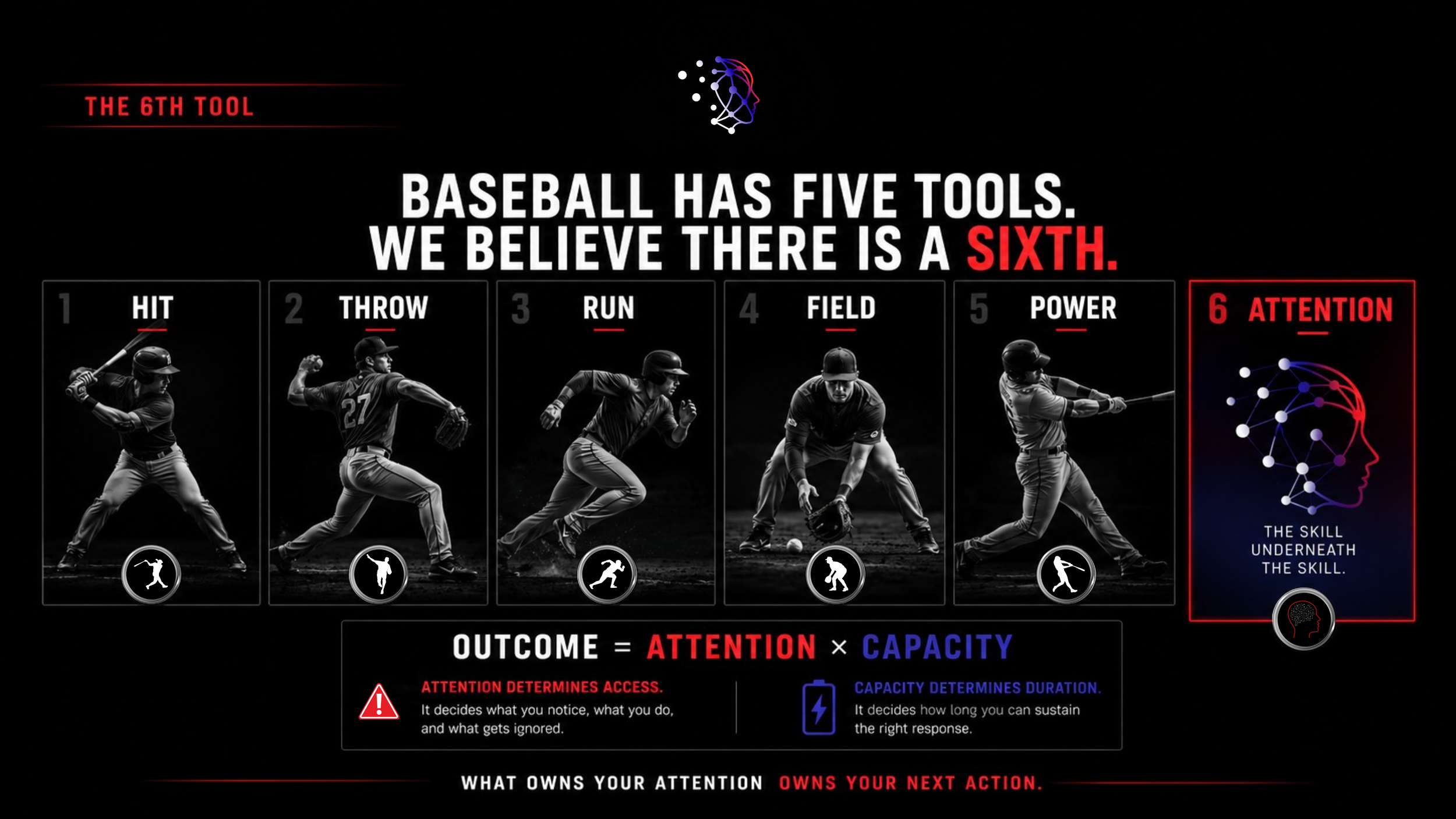
Baseball has become obsessed with measuring physical tools.
Velocity.
Exit velocity.
Bat speed.
Spin rate.
60 times.
Force plates.
Vertical jump numbers.
Those matter.
But they still leave a massive hole in evaluation and development:
Can the athlete actually use those abilities consistently when pressure, adversity, fatigue, failure, expectations, travel, emotional stress, and long seasons enter the equation?
Because baseball is not played inside controlled environments.
It’s played:
emotionally
exhausted
frustrated
distracted
under pressure
during slumps
during conflict
during uncertainty
over long periods of time
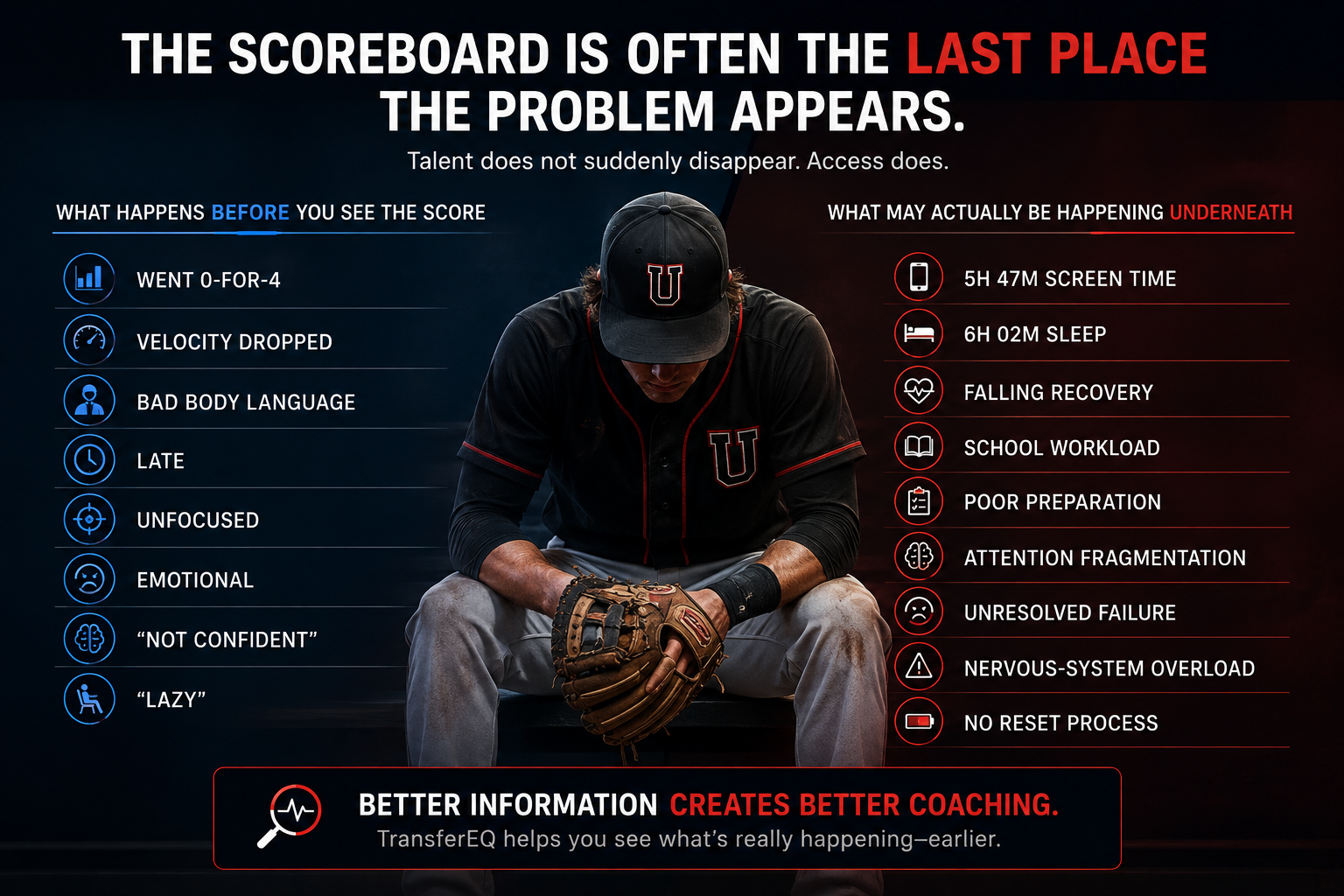
And most systems still are not measuring what actually happens to performance once the environment becomes unstable.
That’s where Transfer EQ was built differently.
WHAT IS TRANSFER EQ?
Transfer EQ is a performance intelligence system I developed to measure and train the hidden variables underneath consistent performance.
Not motivation.
Not therapy.
Not hype.
Systems.
It focuses on the emotional, behavioural, cognitive, and environmental factors that determine whether performance transfers consistently into real competitive environments.
Because some athletes look incredible in practice, showcases, training sessions, and social media clips.
Then the environment changes:
pressure rises
failure happens
routines disappear
travel starts
adversity enters
emotions spike
expectations increase
And performance collapses.
Other athletes remain stable.
Transfer EQ was built to identify why.
WHAT MAKES IT DIFFERENT
Most player development models focus almost entirely on physical outputs.
Transfer EQ studies:
emotional regulation
behavioural consistency
nervous system stability
recovery habits
communication
adaptability
leadership patterns
attention control
environmental load
stress response
performance stability over time
Because coaches do not coach isolated moments.
They coach humans through:
slumps
pressure
fatigue
conflict
emotional swings
expectations
injuries
failure
long seasons
The athlete who manages those variables best usually becomes the most reliable player.
Not always the flashiest.
The most stable.
THE SYSTEMS INSIDE TRANSFER EQ
Over years of coaching athletes, teams, executives, and high performers, I developed systems designed to identify the hidden leaks affecting performance before the scoreboard exposes them publicly.
These systems are used to evaluate:
emotional volatility
performance drift
behavioural inconsistency
attention fragmentation
recovery instability
communication habits
leadership patterns
competitive resilience
adaptability under stress
stability during adversity
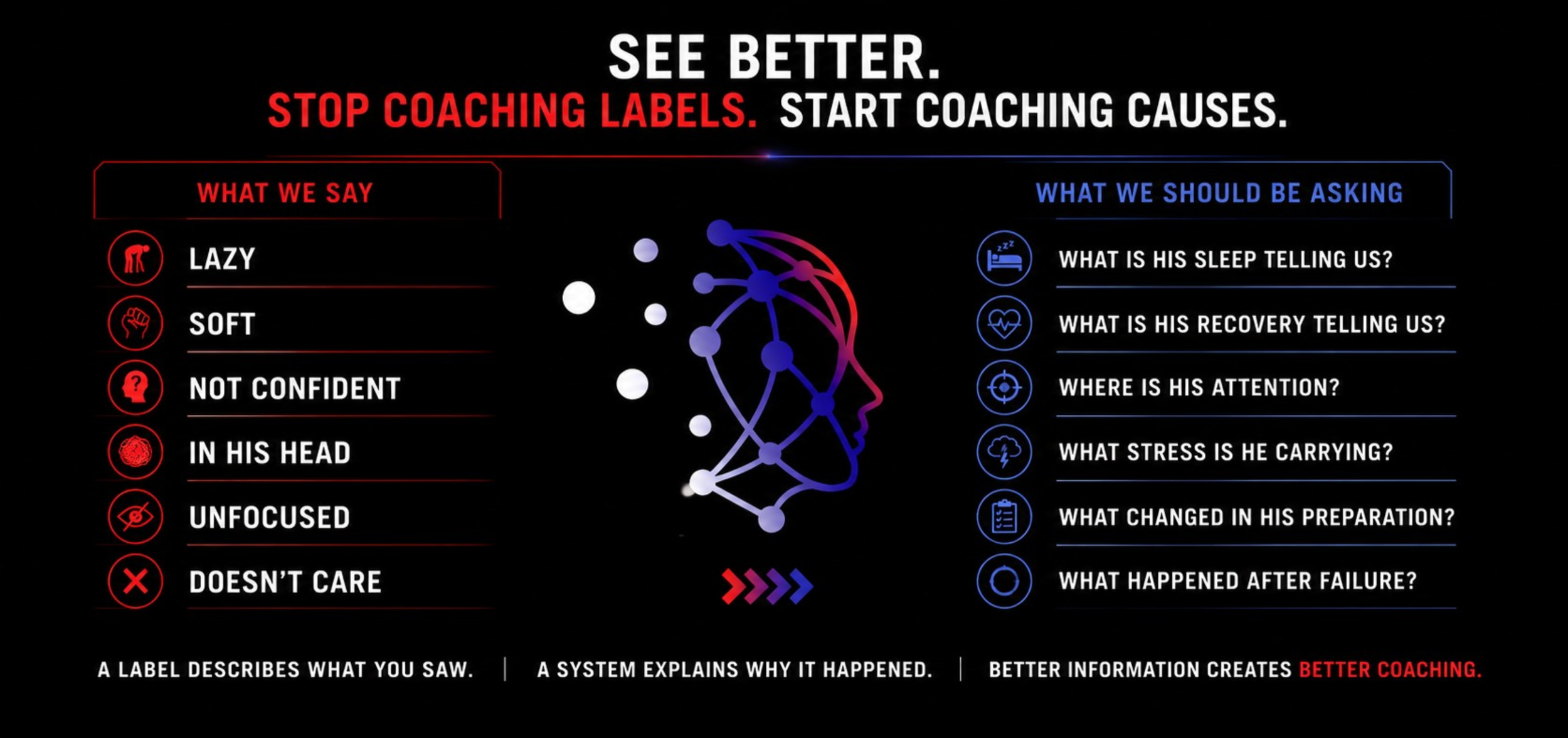
The goal is to stop looking at performance as isolated statistics and begin understanding the operating system underneath the athlete.
Because statistics tell you what happened.
Systems help explain why it happened repeatedly.
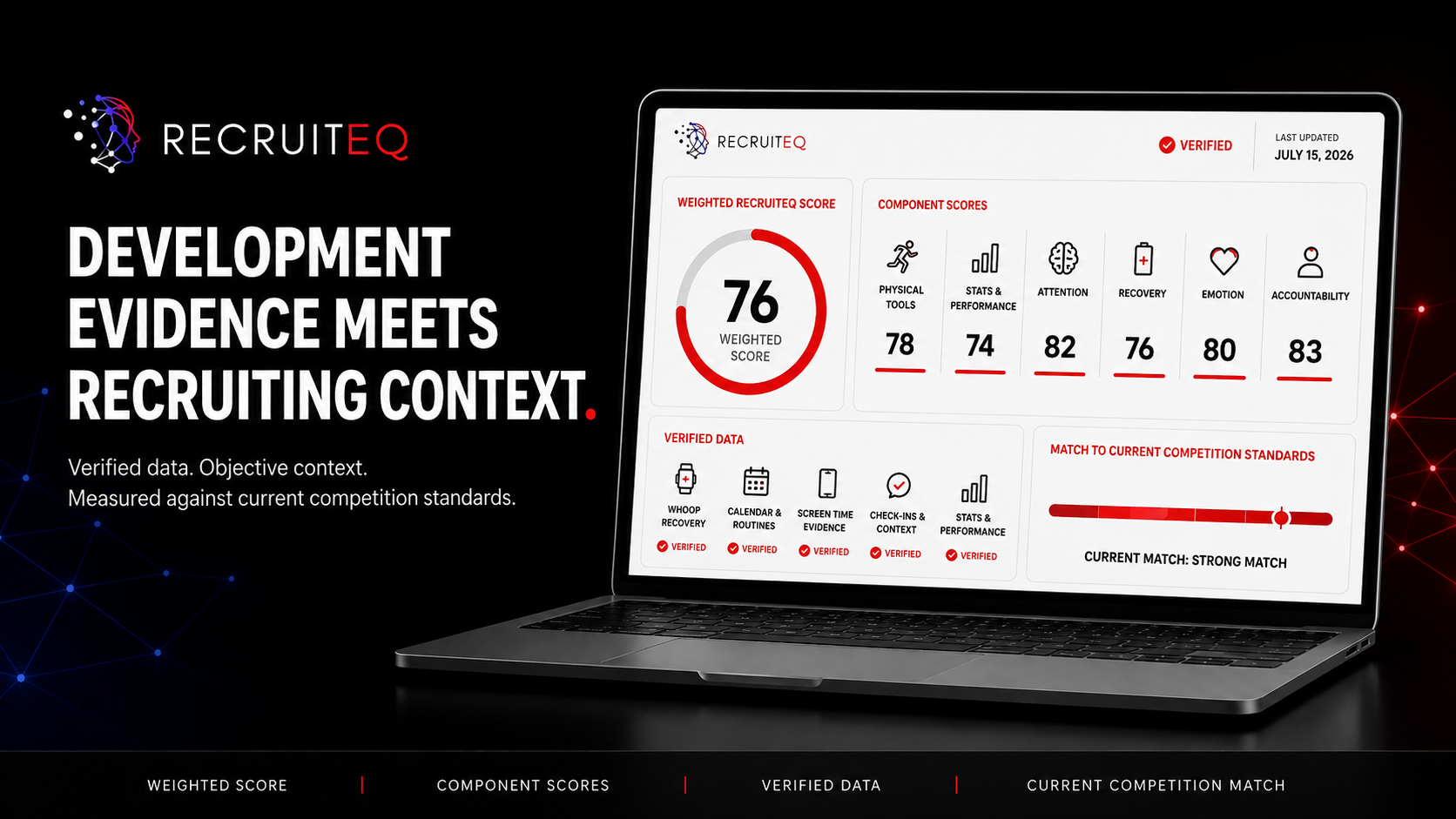
WHY THIS MATTERS IN RECRUITING
Recruiting is becoming increasingly flawed because many evaluations happen in controlled environments:
showcases
camps
short tournament windows
bullpen sessions
batting practice
isolated testing environments
But college baseball and professional baseball are not controlled environments.
A player may throw 94 mph.
But:
What happens after two walks?
What happens during a slump?
What happens after an error?
What happens when they stop playing every day?
What happens when adversity enters?
What happens when confidence drops?
What happens when fatigue accumulates?
What happens when life gets heavy?
Those answers rarely appear in traditional evaluations.
Transfer EQ helps identify:
which athletes stabilize quickly
which athletes emotionally spiral
which athletes maintain standards
which athletes require constant external management
which athletes become dependable over time
which athletes can actually handle difficult environments
That changes recruiting conversations entirely.
Because talent gets recruited.
But stability earns trust.
THE HIDDEN PROBLEM IN MODERN DEVELOPMENT
Modern development often rewards:
clips
hype
short-term peaks
emotional intensity
isolated metrics
curated performance moments
But baseball rewards:
consistency
recoverability
emotional control
discipline
communication
awareness
adaptability
stability over time
The gap between those two worlds is massive.
Transfer EQ exists inside that gap.
WHY MOST ORGANIZATIONS ARE NOT DOING THIS
Because it’s harder.
Physical metrics are easy to collect.
Human behaviour is harder to understand.
It requires:
observation
pattern recognition
behavioural analysis
emotional awareness
systems thinking
long-term tracking
understanding stress and performance interaction
Most organizations still react after performance drops.
Transfer EQ focuses on identifying instability before collapse happens.
That changes development.
That changes leadership.
That changes recruiting.
That changes culture.
THE GOAL
The goal is not to create robotic athletes.
The goal is to build athletes who:
stabilize quickly
recover properly
communicate clearly
handle adversity
regulate emotions
maintain standards
perform consistently under pressure
become dependable in difficult environments
Because baseball does not reward talent alone.
It rewards what holds together when things stop going smoothly.
“Most mental performance guys talk confidence. Curtis talks systems. Big difference. Our players became more accountable, emotionally stable, and easier to coach once they understood what was actually affecting their performance.”
— College Head Coach
“Transfer EQ gave us language for things we were already seeing but couldn’t properly explain. Emotional inconsistency, communication, recovery, body language, pressure response. Those things absolutely impact winning.”
— JUCO Recruiting Coordinator
“Curtis understands athletes because he’s lived it. There’s no fake motivational garbage. Players respect him because he tells them the truth and gives them systems they can actually use.”
— NCAA Assistant Coach
“We started noticing patterns in players long before the stats showed it. That’s the scary part. Transfer EQ helped identify instability early instead of reacting after performance collapsed.”
— College Pitching Coach